
Adventure Fuel
,
adventure fuel trail mix ingredients
,
Adventure Snacks
,
Healthy Snacks for Kids
,
Organic Snacks
,
Outdoor Family
,
Snacks on the Go
,
Trail Mix
What Are the Healthiest Snacks for Kids on the Go? A Real-Food Guide for Parents
What Are the Healthiest Snacks for Kids on the Go?
A real-food guide for parents who want snacks that actually keep kids full.
Healthy Snacks for Kids on the Go That Actually Keep Them Full
If you have ever packed what felt like enough food for a small army and still heard "I'm hungry" fifteen minutes into a hike, you already understand the problem.
Most grab-and-go snacks are not built to satisfy. They are built to sell. Bright packaging, front-of-label health claims, and ingredients that sound fine until you flip the bag over and find added sugar hiding in third place on the list.
This guide cuts through that. Here are the snack categories that research actually supports for active kids, what to look for inside each one, and how to build a rotation that works in real family life.
Why Most Kids Snacks Fail the On-the-Go Test
The problem is not that parents are making bad choices. The options are genuinely difficult to trust.
A snack can be certified organic and still contain added sugar. It can be labeled natural and still use refined oils and artificial flavoring. And even snacks with decent ingredients often fail the most practical test: they do not keep kids full long enough to matter.
Satiety is the word nutritionists use for the feeling of actually being satisfied after eating. Not just having eaten something. Actually satisfied.
Research published in the American Journal of Clinical Nutrition found that meals built around plant protein and fiber from legumes produced significantly greater fullness and lower hunger than comparable meals built around other protein sources. Participants also consumed approximately 12 to 13 percent less at their next meal. That single finding reframes how most parents should think about snack choices. The question is not just "is this healthy?" It is "will this actually hold them?"
That is the standard every snack on this list is measured against.
The Healthiest Snack Categories for Kids on the Go
1. Legume-Based Snacks
Legumes are the most underused category in the grab-and-go snack space, and the research behind them is some of the strongest available for satiety in children and adults alike.
Roasted chickpeas, edamame snacks, and legume-based puffs all deliver the protein and fiber combination that drives real fullness. They are shelf-stable, portable, and increasingly available in formats kids will actually eat.
The satiety research is compelling. The randomized crossover study referenced above found that the substantially higher fiber content of legume-based meals was likely the key driver of reduced hunger and lower subsequent energy intake. For a snack designed to bridge the gap between meals during active outdoor time, that is exactly the nutritional job you need it to do.
What to look for: Short ingredient list. Roasted, not fried. No added sugar. Minimal added salt.
What to avoid: Legume snacks coated in sugar, honey, or flavoring syrups. The ingredient list should start and end with the legume itself.
2. Nuts and Seeds
Nuts and seeds are one of the most research-supported portable snack categories available. They deliver protein, healthy fats, fiber, and key minerals in a format that requires no refrigeration, no prep, and no portioning if you buy single-serve packaging.
Research specifically examining nut consumption in children ages 8 to 18 found that including nuts in kids' diets improved overall diet quality, including greater intake of protein, unsaturated fats, and fiber compared to children who did not regularly eat nuts.
Pistachios in particular contribute plant protein, fiber, and predominantly unsaturated fats. A controlled study found that incorporating pistachios as a meaningful portion of daily energy intake increased participants' intake of vegetable protein, unsaturated fat, and fiber without significantly affecting body composition.
Pumpkin seeds bring a different nutritional profile: plant protein, unsaturated fats, fiber, and naturally occurring minerals including magnesium, zinc, and iron. These are nutrients commonly under-consumed in children's diets and rarely found in typical grab-and-go snack formats.
What to look for: Raw or dry-roasted. No added sugar. Minimal salt. Single-serve packaging for convenience and mess control.
What to avoid: Honey-roasted, candy-coated, or heavily salted varieties. These shift the snack from nutrient-dense to sugar-delivery.
3. Freeze-Dried Fruit
Fruit in freeze-dried form concentrates natural flavor, natural sweetness, and naturally occurring plant compounds without requiring refrigeration or adding sugar. When no sugar is added during processing, freeze-dried fruit is a genuinely useful snack component, especially when paired with protein or fat to slow energy absorption.
Freeze-dried blueberries have some of the most interesting child-specific research of any fruit. A randomized, double-blind crossover study examined the effects of wild blueberry supplementation in children ages 7 to 10 and observed improvements in several measures of memory and cognitive performance. The study used a specific controlled dose of blueberry powder rather than whole freeze-dried berries, so we would not claim that eating freeze-dried blueberries produces the same outcomes. But the research points to blueberries as a substantive ingredient rather than a token fruit addition.
Freeze-dried strawberries have been studied in adults in relation to antioxidant status and cardiovascular markers. Again, the doses used in those studies were much larger than a typical snack serving. What the research confirms is that strawberries bring real plant compounds to the table, not just color and sweetness.
What to look for: One ingredient on the label. The fruit. Nothing else.
What to avoid: Dried fruit with added sugar, which is extremely common. Mango, cranberries, and pineapple are frequent offenders. Always check.
4. Real-Food Trail Mix (When It Is Built Right)
Trail mix has a justified reputation as an outdoor family snack staple. It is also one of the most variable categories in the snack aisle. The difference between a well-formulated trail mix and a bulk bin version is significant.
Mayo Clinic pediatric nutrition guidance specifically recommends trail mix as one of the better grab-and-go snack options for kids when it is built around real ingredients. Their broader snack guidance emphasizes pairing protein and fiber-containing foods rather than relying on highly processed alternatives to fill the gap between meals.
A well-built trail mix addresses multiple nutritional needs in one grab-and-go serving: protein and fiber from legumes and seeds, whole-food fats from nuts and coconut, natural sweetness and plant compounds from freeze-dried fruit, and flavor from spices rather than added sugar.
The research on carbohydrate and fat balance in meals also matters here. A study examining breakfast macronutrient composition found that a relatively higher-carbohydrate, lower-fat meal was associated with an earlier return of hunger than a more balanced meal combining carbohydrates with fat and protein. A trail mix that pairs its fruit and carbohydrate components with nuts, seeds, and legumes is nutritionally designed to extend fullness rather than produce a quick energy spike followed by a crash.
What a strong trail mix includes:
- A legume or seed base for protein and fiber
- Nuts for whole-food fats and nutrient density
- Freeze-dried or dried fruit with no added sugar
- Flavor from spices, not sugar
- Organic ingredients when possible
- Zero added sugar
What to avoid: Chocolate candies, yogurt chips, honey-roasted nuts, sweetened coconut, or any ingredient that belongs in a dessert rather than a snack designed to fuel activity.
One trail mix worth knowing about: Adventure Fuel by Wild Child Outfitters. It is built specifically around this standard. Roasted chickpeas, pumpkin seeds, plantain chips, freeze-dried strawberries, freeze-dried blueberries, macadamia nuts, pistachios, toasted unsweetened coconut, cinnamon, and salt. No added sugar. Organic. No refrigeration required. Single-serve pouches that survive a backpack, a car, and a two-year-old.
If you want to go deeper on why each ingredient was chosen and what the research says about each one specifically, we wrote a full breakdown here: Why Every Ingredient in Adventure Fuel Has a Job.
5. Plantain and Coconut-Based Snacks
Plantains provide complex carbohydrates alongside fiber and potassium in a recognizable whole-food format. For active kids who need carbohydrates to fuel movement, plantain chips made with simple ingredients are a better option than rice cakes, crackers, or corn-based snacks that deliver carbohydrates without much else.
Unsweetened coconut chips add texture, natural fat, and mild sweetness without added sugar. They are shelf-stable, kid-friendly, and pair well with fruit and nut-based snack combinations.
The important word in both cases is unsweetened. Sweetened plantain chips and sweetened coconut products often contain as much added sugar as a candy bar. The ingredient list should be short and the sugar should be zero grams added.
What to look for: Plantain chips made with plantains, oil, and salt. Coconut chips with one ingredient: coconut.
What to avoid: Sweetened or flavored versions. The front of the bag will not tell you. The ingredient list will.
The Label Reading Shortcut Every Parent Needs
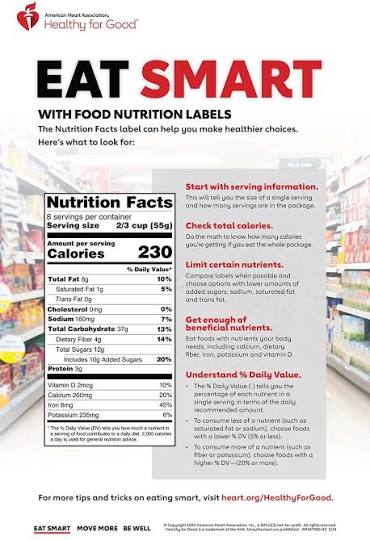
Before buying any grab-and-go snack for your kids, run it through this five-question filter:
1. Is the ingredient list short and recognizable? If you cannot identify what most of the ingredients are without a nutrition degree, put it back.
2. Where does sugar appear on the list? Ingredients are listed by weight. If any form of sugar, including cane sugar, honey, syrup, fruit juice concentrate, or dextrose, appears in the first three ingredients, the snack is built around sugar regardless of what the front of the bag claims.
3. Does it have protein and fiber? These are the two components most associated with satiety in children. A snack with neither is delivering quick calories and not much else.
4. Is the fat source whole food? Nuts, seeds, and coconut are whole-food fat sources. Sunflower oil, palm oil, and "vegetable oil" as primary fat sources are not the same thing.
5. Can it survive your actual life? Does it need refrigeration? Will it melt in a hot car? Will it create a disaster when your kid inevitably drops it? Shelf stability and practical format matter more than most parents account for when evaluating grab-and-go snacks.
What This Actually Looks Like in Practice
The snack rotation that works for most active families is simpler than the snack aisle makes it look.
A handful of mixed nuts and seeds. Single-serve freeze-dried fruit with one ingredient on the label. A well-formulated trail mix that combines legumes, nuts, fruit, and spice without added sugar. Plantain chips made with three ingredients.
None of these require prep. None require refrigeration. All of them hold up in a backpack, a diaper bag, or a car console.
The goal is not a perfect snack. The goal is a rotation of real options you can grab without thinking, that your kids will actually eat, that keep them fueled long enough to stay outside and keep going.
That is a solvable problem. The research points clearly toward what works. The rest is just knowing what to look for on the label.
Keep Reading
This post is part of The Wild Guide, a research-backed resource for families who choose the wild over WiFi.
- Why Every Ingredient in Adventure Fuel Has a Job: The full ingredient breakdown with research behind every component of Adventure Fuel.
- [Post 1: The truth about added sugar in kids snacks] — Coming soon
- [Post 5: What organic actually means on a snack label] — Coming soon
- [Post 12: The best snacks for hiking with kids] — Coming soon
References
- Meals based on vegetable protein sources are more satiating than meals based on animal protein sources — American Journal of Clinical Nutrition
- Return of hunger following a relatively high carbohydrate breakfast is associated with earlier recorded glucose peak and nadir — PMC
- Cognitive Effects Following Acute Wild Blueberry Supplementation in 7 to 10 Year Old Children — PMC
- Dose-Response to Strawberry Supplementation on Atherogenic Lipids and Markers of Oxidative Stress — PubMed
- Effects of Freeze-Dried Strawberry Supplementation on Metabolic Biomarkers of Atherosclerosis — PubMed
- Nut Consumption and Health Outcomes in Children and Adolescents — PMC
- Pistachio Consumption at 20% of Energy Does Not Significantly Change Body Composition — American Pistachio Growers
- Pumpkin Seeds as a Nutraceutical Used in Various Lifestyle Disorders — PMC
- Plantain Nutrition Facts and Health Benefits — Healthline
- Mayo Clinic Minute: Transforming Snack Time With Healthy Options — Mayo Clinic
- Mayo Clinic Minute: After-School Snack Ideas — Mayo Clinic
Tags: